




Pipeline
-
Complement-Mediated Diseases
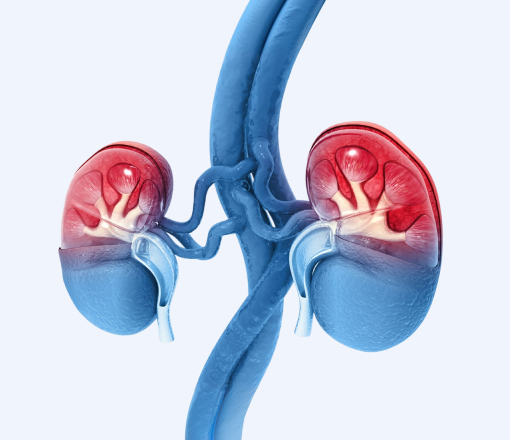
IgAN, C3G, IC-MPGN, PNH, and aHUS are severe kidney and hematologic diseases in which dysregulated complement activation plays a central role in disease pathogenesis. This dysregulation can lead to uncontrolled inflammation, tissue injury, hemolysis, thrombosis, and organ damage, including progression to end-stage kidney disease in renal indications. Although complement-targeted therapies have improved clinical outcomes for many patients, significant unmet medical needs remain. RNAi therapies targeting the messenger RNA (mRNA) of complement component 3 (SGB-9768) or complement factor B (SGB-3383) are designed to reduce hepatic production of key complement proteins and thereby modulate complement activation. This approach aims to reduce complement-mediated tissue injury and improve outcomes across complement-mediated kidney and hematologic diseases.

-
Cardiovascular Diseases
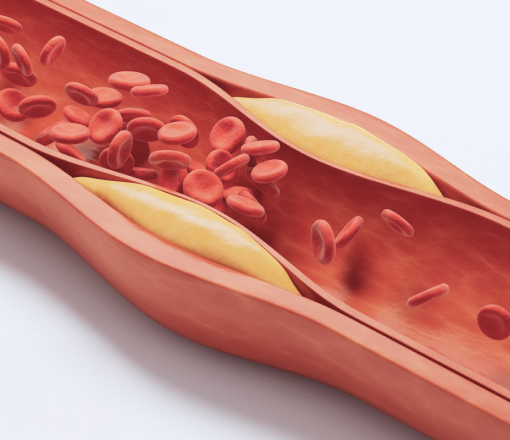
Hypertension and dyslipidemia are major risk factors for cardiovascular disease, contributing to vascular injury, atherosclerosis, and adverse cardiovascular outcomes. Despite major advances in treatment, important unmet needs remain, including poor long-term adherence, suboptimal disease control, and persistent residual cardiovascular risk. RNAi therapy offers a mechanism-based approach by enabling durable silencing of disease-driving genes, such as angiotensinogen (AGT; SGB-3908), with the potential to improve the long-term management of chronic cardiovascular diseases. For multifactorial disorders such as dyslipidemia, bispecific siRNAs are designed to simultaneously target complementary disease pathways and may provide broader lipid-lowering effects through modulation of complementary pathways, as exemplified by our SGB-BS01 (PCSK9/ANGPTL3) and SGB-BS02 (PCSK9/LPA) programs.
-
Obesity and Metablic Diseases
More than 1 billion people worldwide live with obesity, a major risk factor for over 20 diseases, including diabetes, cardiovascular and neurological disorders. While GLP-1-based therapies provide a treatment option, they can cause gastrointestinal side effects, muscle loss, and weight rebound after discontinuation. RNAi therapy, conversely, precisely targets the mRNA of specific genes involved in metabolic pathways—including INHBE (SGB-7342), and other novel first-in-class targets. RNAi has potential to become a central component of obesity therapy. It drives selective fat loss, preserves lean muscle mass, and improves overall metabolic health.

Pipeline: Leveraging Industry-Leading RNAi Technology to Impact Our Core Therapeutic Areas
-
Autoimmune
Swipe left to show more
CompoundTargetTarget TissueIndication(s)Preclinical Phase 1 Phase 2 Phase 3RightsPartnersSGB-9768C3LiverIgANGlobalC3G/IC-MPGNGlobalPNHGlobalaHUSGlobalSGB-3383CFBLiverComplement-mediated diseasesGlobalSGB-IM03MST1LiverCOPD/OthersGlobal -
Cardiovascular
Swipe left to show more
CompoundTargetTarget TissueIndication(s)Preclinical Phase 1 Phase 2 Phase 3RightsPartnersSGB-3908AGTLiverHypertensionEx-Asia SGB-BS01PCSK9+ANGPTL3LiverDyslipidemiaGlobalSGB-BS02PCSK9+LPALiverDyslipidemiaGlobalSGB-CV01PLNHeartCardiomyopathyGlobal
 -
Metabolic/Obesity
Swipe left to show more
CompoundTargetTarget TissueIndication(s)Preclinical Phase 1 Phase 2 Phase 3RightsPartnersSGB-7342INHBELiverObesityGlobalSGB-ME02UndisclosedUndisclosedMetabolicRoyalty-Based SGB-6759UndisclosedAdiposeObesityGlobalSGB-OB04ACVR2Sk. MuscleObesity/OthersGlobalSGB-OB06UndisclosedAdipose/LiverObesityGlobalSGB-OB07UndisclosedAdiposeObesityGlobal
 -
Coagulopathies
Swipe left to show more
CompoundTargetTarget TissueIndication(s)Preclinical Phase 1 Phase 2 Phase 3RightsPartnersSGB-3252PLGLiverHHT, HMBGlobal
Phase 2 and Phase 3 trials in Asia will be conducted by Innovent and Phase 3 trials in the rest of the world will be conducted by SanegeneBio.
*IgAN: IgA Nephropathy; C3G:C3 Glomerulopathy; IC-MPGN: Immune Complex-Mediated Membranoproliferative Glomerulonephritis; aHUS: atypical Hemolytic Uremic Syndrome; PNH: Paroxysmal Nocturnal Hemoglobinuria; COPD: Chronic Obstructive Pulmonary Disease; HHT: Hereditary Hemorrhagic Telangiectasia; HMB: Heavy Menstrual Bleeding.